
Boza: The Drink of Turkish Winters
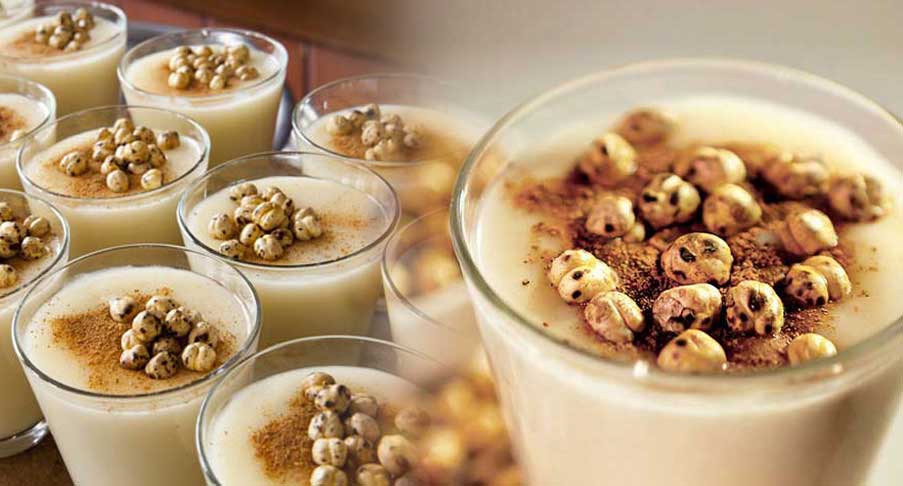
The call of a boza seller in the street at night is what reminds you of this drink. It is served with a pinch of cinnamon and a handful of roasted chickpeas on the side.
There are fewer sellers now than there once were, but they remain one of the fixtures of a Turkish winter. Most of us know their famous call even if we have never tasted what they are selling — say the word boza and it is the seller who comes to mind before the drink.
So how is it actually made?
Nine thousand years old
Boza is a fermented drink, and at nine millennia it is essentially a primitive form of beer — the oldest alcoholic drink there is.
It came out of Ancient Egypt and Mesopotamia, and Mediterranean traders carried it west, east toward the Far East, and north through the Caucasus as far as the Volga basin.
The method is simple: malted grain is mashed with water into a thin gruel and left to ferment. What grain gets used depends entirely on what grows where it is being made. In Turkey it is usually millet.
Banned, and still here
The alcohol content is very low — around one percent — but that was not low enough for Sultan Mehmed IV, whose prohibition on alcohol in the seventeenth century closed hundreds of boza shops and put thousands of sellers out of work.
The drink survived anyway. That tells you something about how deeply it was embedded in daily life.
What it tastes like
Thick, close to the consistency of a thin porridge. Slightly sour from the fermentation, slightly sweet, with a distinct tang that people either take to immediately or never quite do.
It is served cold or at room temperature, never hot, and the cinnamon and roasted chickpeas are not decoration — the chickpeas give you something to crunch between sips and the cinnamon cuts through the sourness.
Where to find it
The street sellers are rarer every year, but bottled boza is available in Turkish supermarkets and in Turkish grocers abroad.
In Istanbul, Vefa Bozacısı has been making it since 1876 and is still the reference point. Worth the trip if you are in the city in winter.


Leave a Reply
Want to join the discussion?Feel free to contribute!