
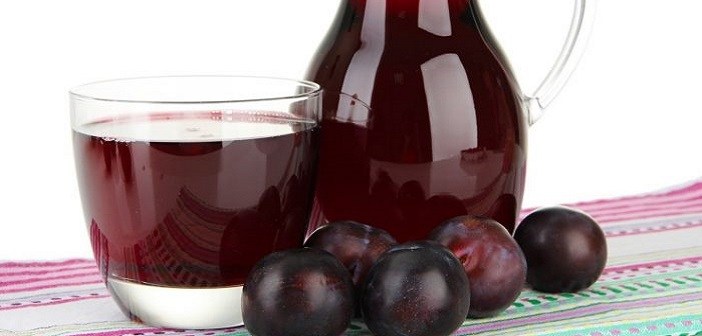
Plums and Prunes in the Kitchen
Plums are one of the few fruits that work as well in savory cooking as in dessert, and dried they become something else entirely — deeper, almost meaty.
Here is how I use both.
Fresh plums
Choose by feel, not color. A ripe plum gives slightly at the stem end and smells like a plum. Skin color varies wildly by variety and tells you nothing about ripeness.
Firm plums roast beautifully. Halve them, cut side up, with a little sugar and a splash of wine, at 400°F until the edges caramelize. Serve with cream, or alongside pork or duck.
Very ripe plums belong in compote, jam or a tart, where their softness is no longer a problem.
Don’t peel them. The skin holds most of the color and the tartness, and it is what keeps a plum tart from tasting flat.
Prunes
Dried plums are a savory ingredient in the cooking of half the world, and underused in most kitchens.
They go into Moroccan tagines with lamb, into Georgian and Azerbaijani stews, into Turkish pilafs. In piti — the Azerbaijani lamb and chickpea stew — they are what balances the fat of the meat.
Soak them first. Twenty minutes in warm water, tea or wine plumps them up and stops them pulling moisture out of whatever you add them to.
They also do something useful in braises: prunes break down as they cook and thicken the sauce naturally, with a sweetness that sugar cannot imitate.
Plum sauce for meat
Simmer halved plums with a little water, red wine vinegar, a bay leaf, a few peppercorns and a spoonful of honey until they collapse. Blend, pass through a sieve, and season.
This goes with duck, pork, lamb and anything grilled over charcoal. Better than most bought fruit sauces and it takes fifteen minutes.
Tkemali
Worth knowing about: tkemali is the Georgian sour plum sauce, made from underripe plums with garlic, coriander and dill. Sharp rather than sweet, and it works with grilled meat the way chimichurri does in Argentina.
If you ever find yourself with a glut of sour plums that are not good for eating, this is what to do with them.
A note on prune juice
Prunes contain sorbitol and a good amount of fiber, which is why they have a reputation as a laxative. That reputation is earned.
Concentrated prune juice is considerably stronger than the whole fruit, and more than a small glass will cause cramping and worse in most people. If you want the benefit of the fruit, eat the fruit — whole prunes give you the fiber that juicing removes.


Leave a Reply
Want to join the discussion?Feel free to contribute!